Rights and dignity
Programs are framed around education, health, safety, opportunity, and protection from avoidable vulnerability.
Human Rights And Development Initiative
A community-rooted institution advancing dignity, education, health resilience, livelihoods, environmental care, and locally made water-safety products for vulnerable communities in Uganda.
Institutional Mandate
We work at the level where rights are either protected or lost: school attendance, emergency medical needs, household income, clean surroundings, safe transport, and community confidence. Our work brings education, care, enterprise, safety, and environmental action into one coherent community development model.
When someone stands with us, we answer three questions clearly: what need we are addressing, how we will respond, and how support will be recorded, used, and reported back.
Programs are framed around education, health, safety, opportunity, and protection from avoidable vulnerability.
Our work is grounded in Ugandan communities, schools, families, craft teams, and local partner networks.
Support is translated into school materials, emergency help, savings discipline, skills, products, and training.
Public standards emphasize receipts, restricted giving, safeguarding, procurement, and reporting cycles.
Program Portfolio
Each program door below has a clear purpose, a beneficiary group, and a practical route for funding or partnership. Our full program page explains the architecture in detail.
Support for learners who need school fees, supplies, mentorship, school follow-up, holiday skills, and encouragement to stay on a long-term learning pathway.
A protective pool for sudden medical needs that can interrupt schooling, work, care, and household stability.
Savings culture, group accountability, seed capital, financial discipline, and practical skills that help families move from crisis to capability.
Waste collection, recycling education, and local production that turn discarded materials into value and community safety.
Our signature product line combines safety training, locally made jackets, school and community outreach, and bulk sponsorship opportunities.
Stewardship Promise
We receive support with purpose, assign it responsibly, document delivery, protect children and communities, and report back with clarity. That discipline matters whether a gift comes from an individual, a church, a company, a diaspora group, or a grantmaking partner.
Bank, mobile money, and card routes are separated so every contribution can be tied to a purpose.
Support can be directed to education, emergency health, life jackets, craft tools, or general operations.
Public standards create a safer foundation for school visits, photography, storytelling, and volunteer work.
Field photos, stories, program briefs, delivery notes, and partner updates become part of the reporting cycle.
Field Evidence
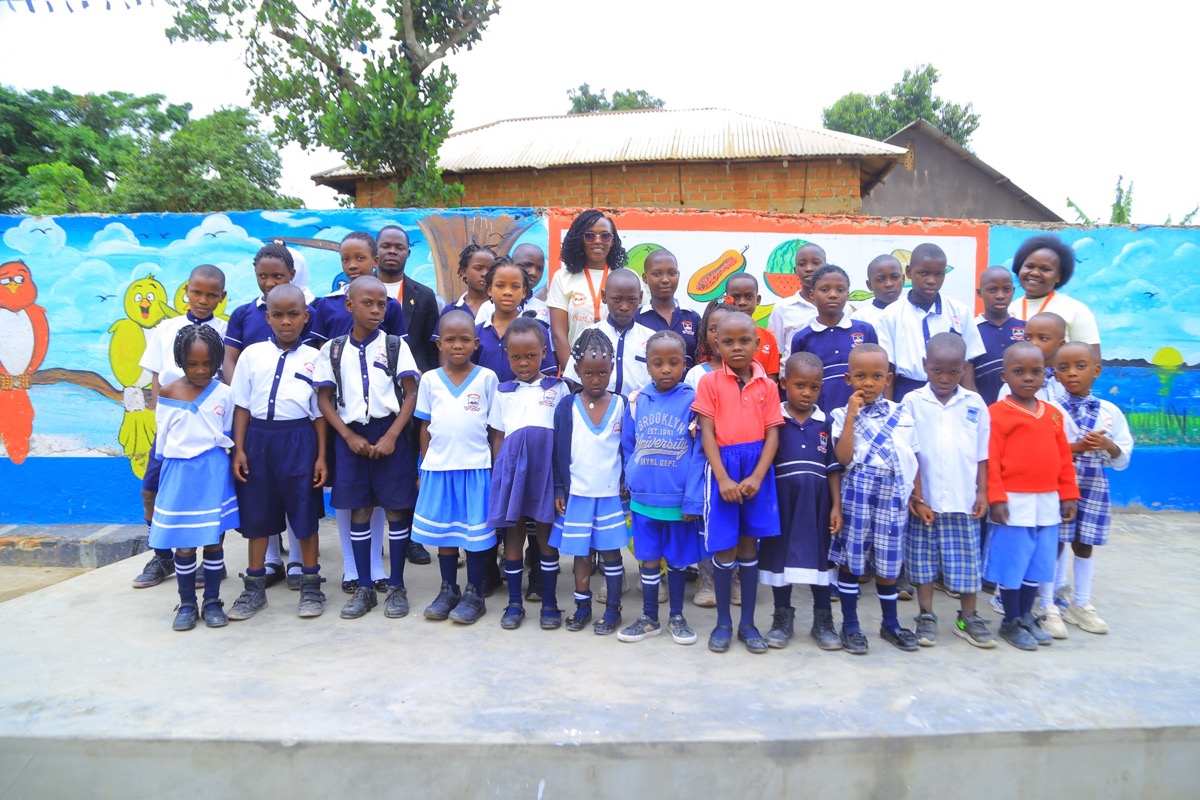
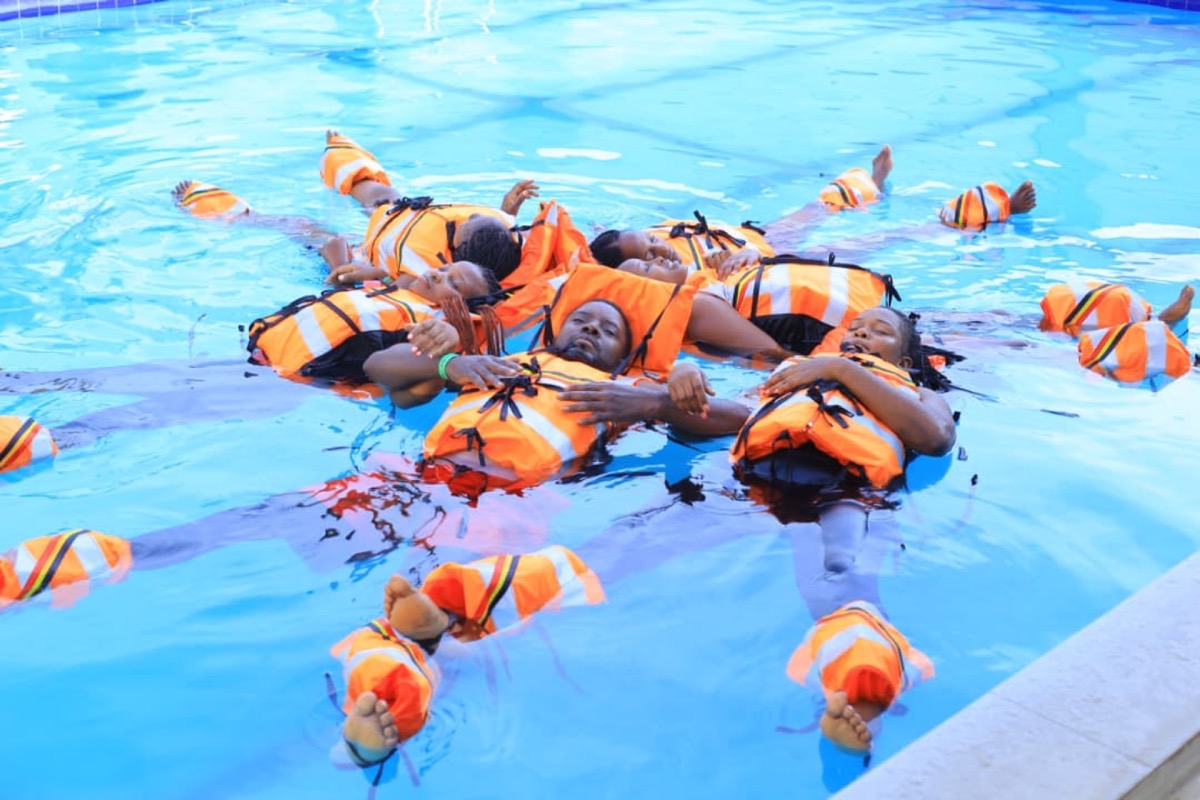
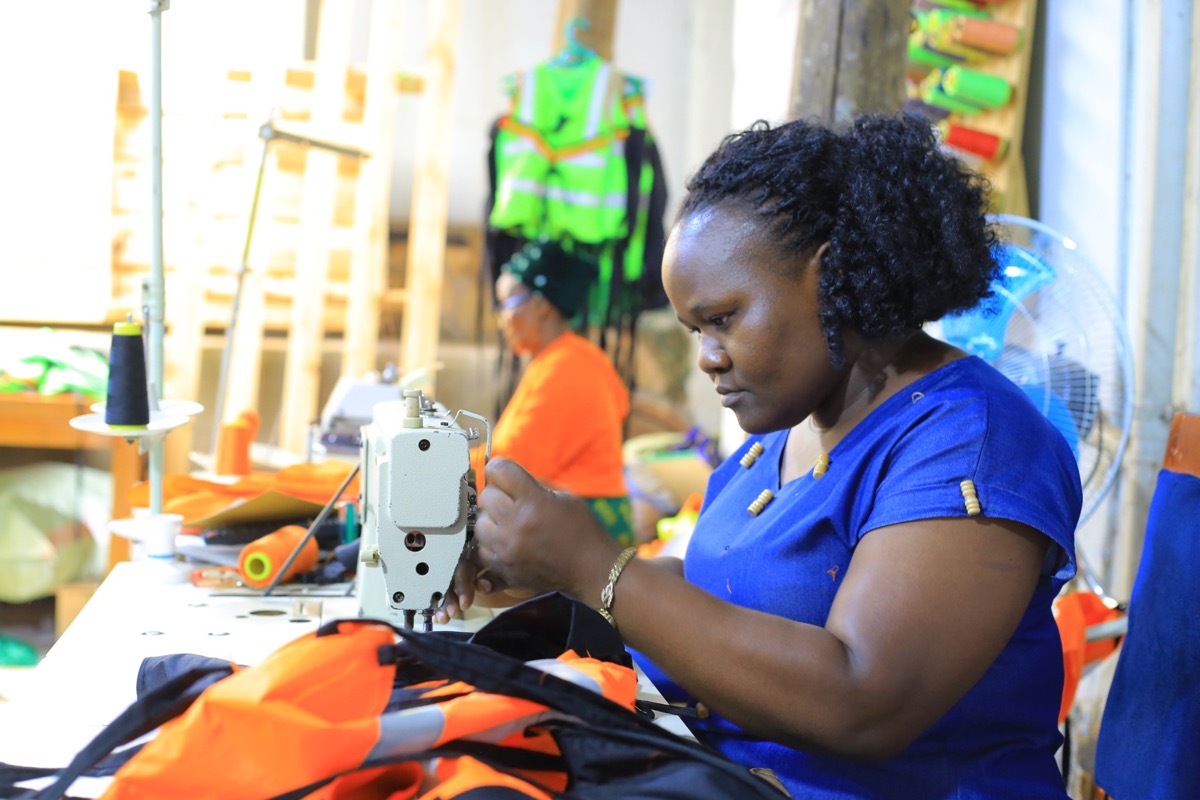
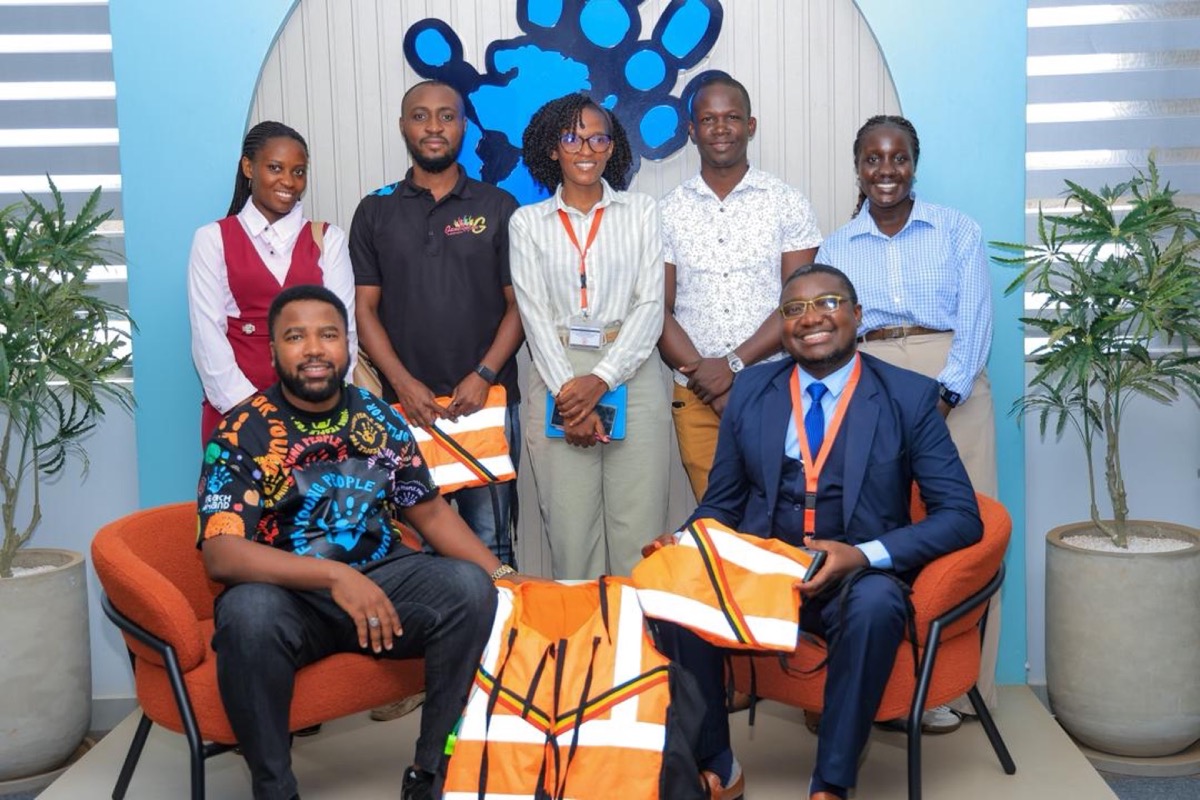
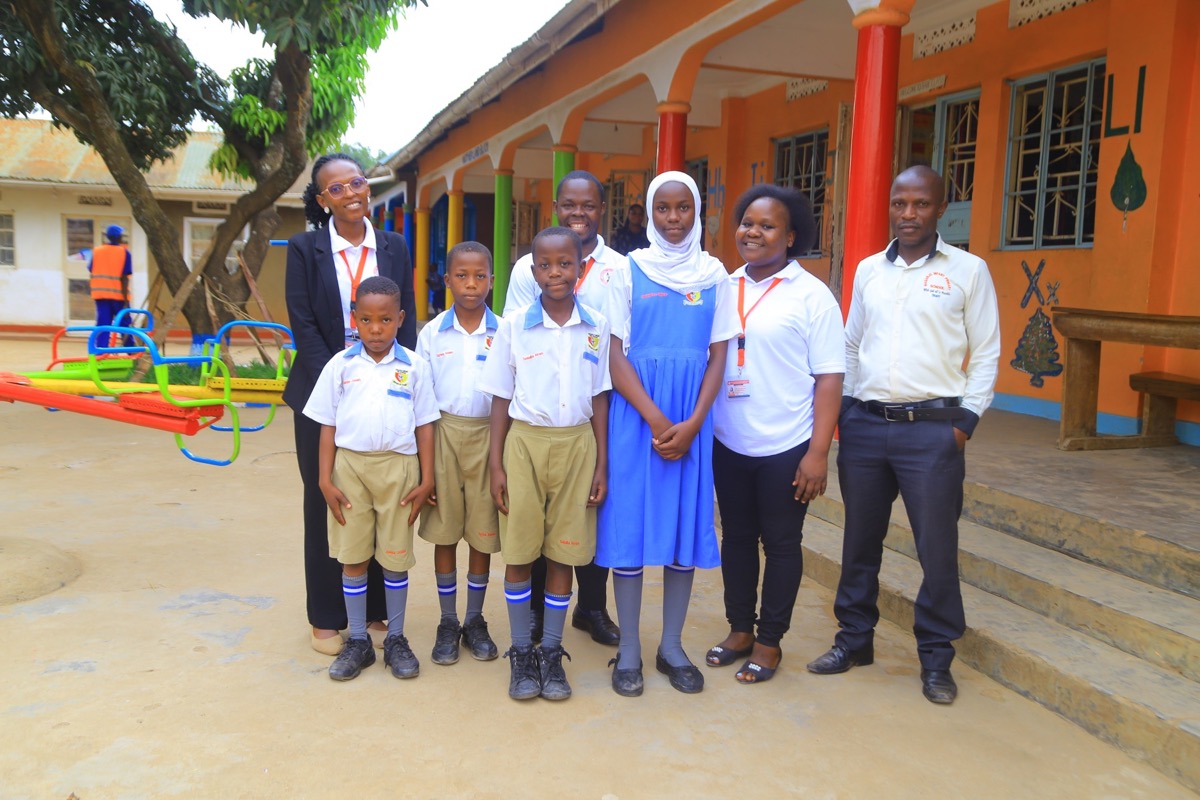
We do not ask people to imagine our work. These images show school outreach, water-safety practice, local craftsmanship, and partner engagement in one evidence sequence.
Signature Social Enterprise
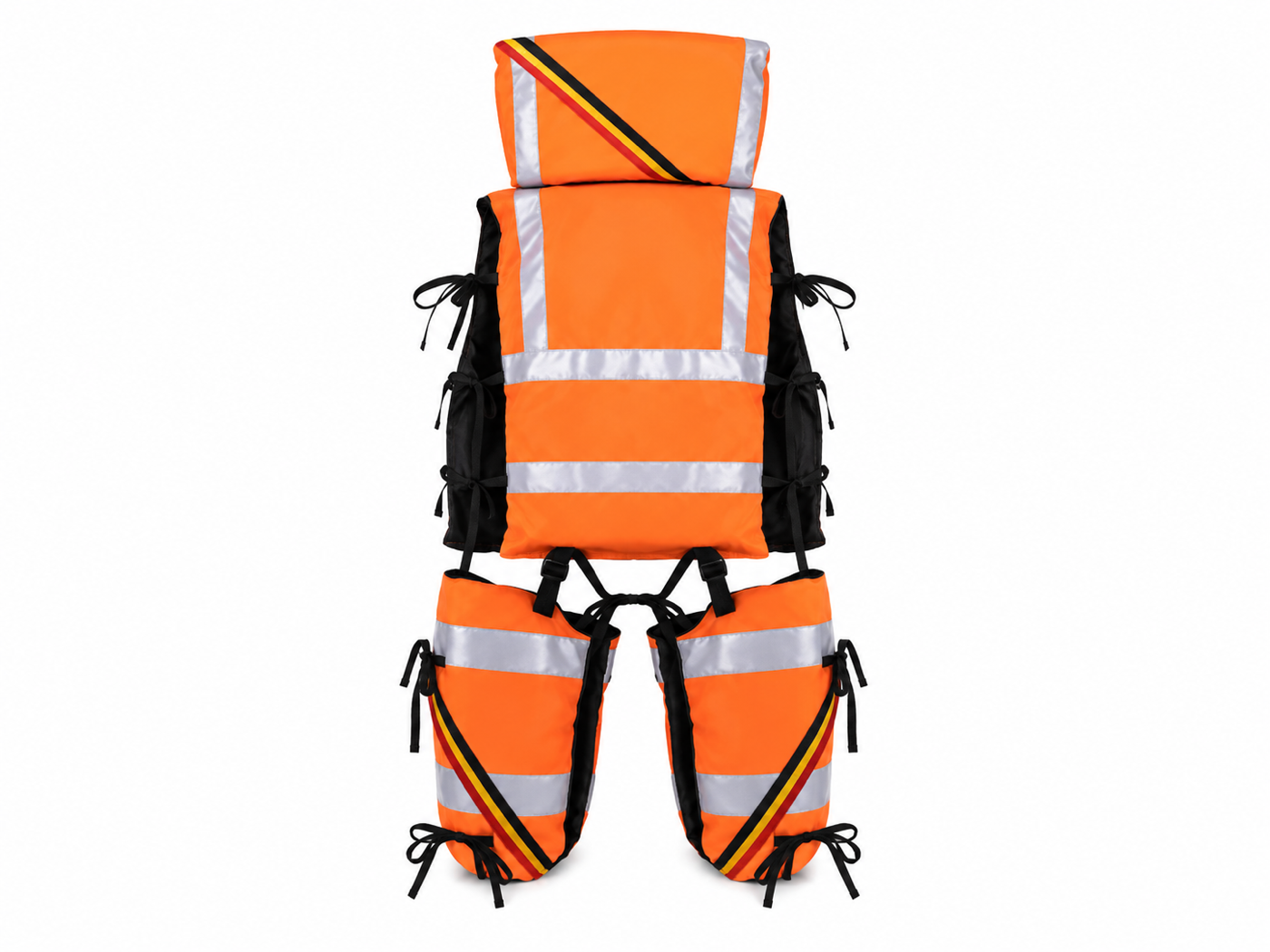
Our life-jacket program is not only a shop. It is a circular-economy story: collect waste, build craft skill, produce safety equipment, train users, equip vulnerable communities, and create a practical product supporters can sponsor or buyers can order.
Priority Funding Windows
Each funding route connects to a real program need and a clear next step. These giving levels help supporters begin with education, safety, health, and enterprise support.
Support school fees, exercise books, uniform needs, mentorship, and follow-up for a vulnerable learner.
Fund educationFund life jackets, training, and distribution for families, schools, or groups that rely on water transport.
Support safetyContribute to an emergency health pool that helps keep families stable when sudden illness or injury strikes.
Back healthSupport savings groups, craft tools, seed capital, product materials, and practical livelihood development.
Seed enterpriseInstitutional Standards
We hold ourselves to the policies and practices that serious partnerships require: safeguarding, financial controls, procurement discipline, evidence, and learning.
Child protection, consent, image use, school visit behavior, and complaint channels are treated as board-level priorities.
Donation references, purpose codes, receipts, and spending records help every supporter see that gifts follow the intended use.
Purchases, craft materials, life-jacket inputs, and distribution items are documented for quality and value for money.
Stories, reports, photos, and program notes feed back into better planning, not only publicity.
Fund a learner, sponsor a jacket, support a family in crisis, or build a serious partnership with Pearl.