What problem is being solved?
Pearl does not treat poverty as one issue. It shows how school costs, medical shocks, lack of capital, unsafe water transport, and environmental waste reinforce one another.
Programs
We design our programs to reinforce one another: education feeds skills, savings feed enterprise, health protects families, recycling feeds safety, and stories feed public learning.
Program Explorer
How We Read The Work
We explain the context behind each intervention, the people served, the activities we deliver, what support pays for, and the evidence we can track responsibly.
Pearl does not treat poverty as one issue. It shows how school costs, medical shocks, lack of capital, unsafe water transport, and environmental waste reinforce one another.
Priority groups include vulnerable learners, young mothers, market women, youth, graduates, fishing families, boat operators, and households at risk of crisis.
Pearl combines direct support, group formation, mentoring, savings, local production, recycling, safety training, and community education.
Support pays for school fees, learning materials, emergency medical response, production tools, life-jacket materials, group training, or field follow-up.
We track learners retained, jackets produced, groups saving, emergencies handled, materials recycled, enterprises started, and stories verified with consent.
Core Pillars
Education
Economic resilience
Health
Environment
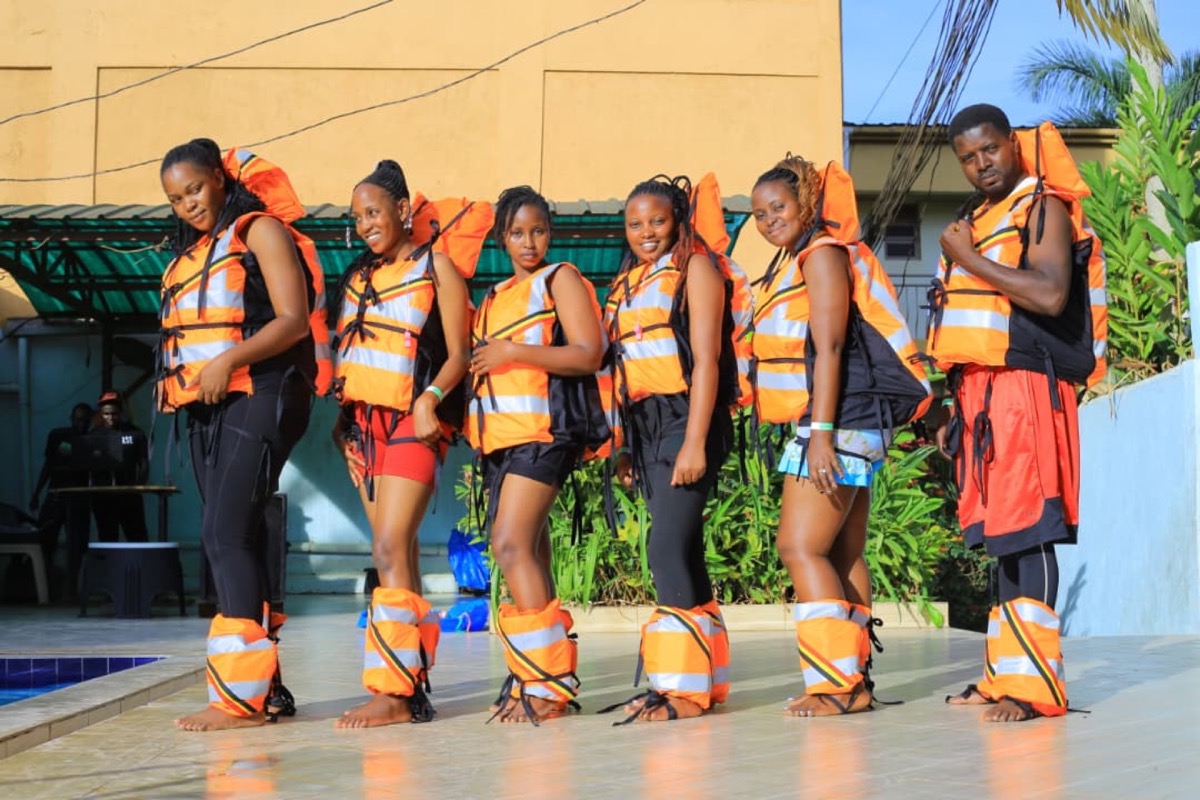
Safety innovation
Scholars Fund
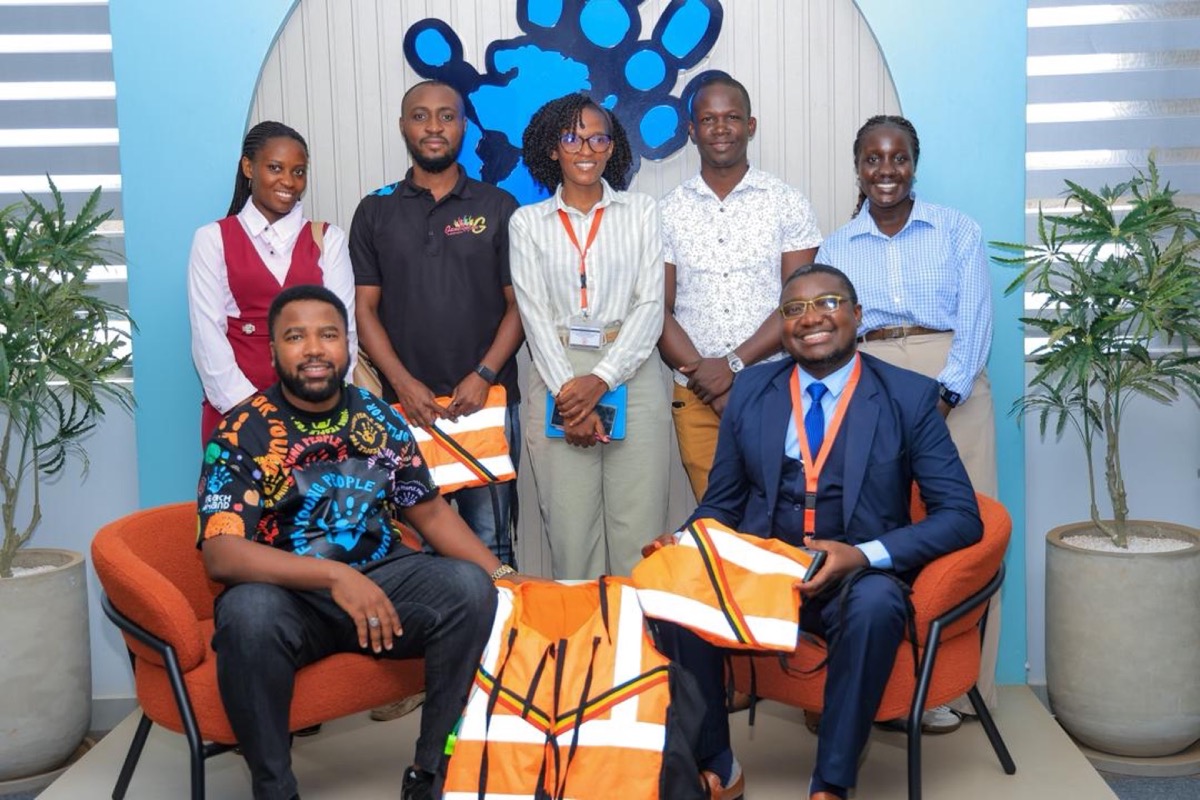
Program Photo Evidence
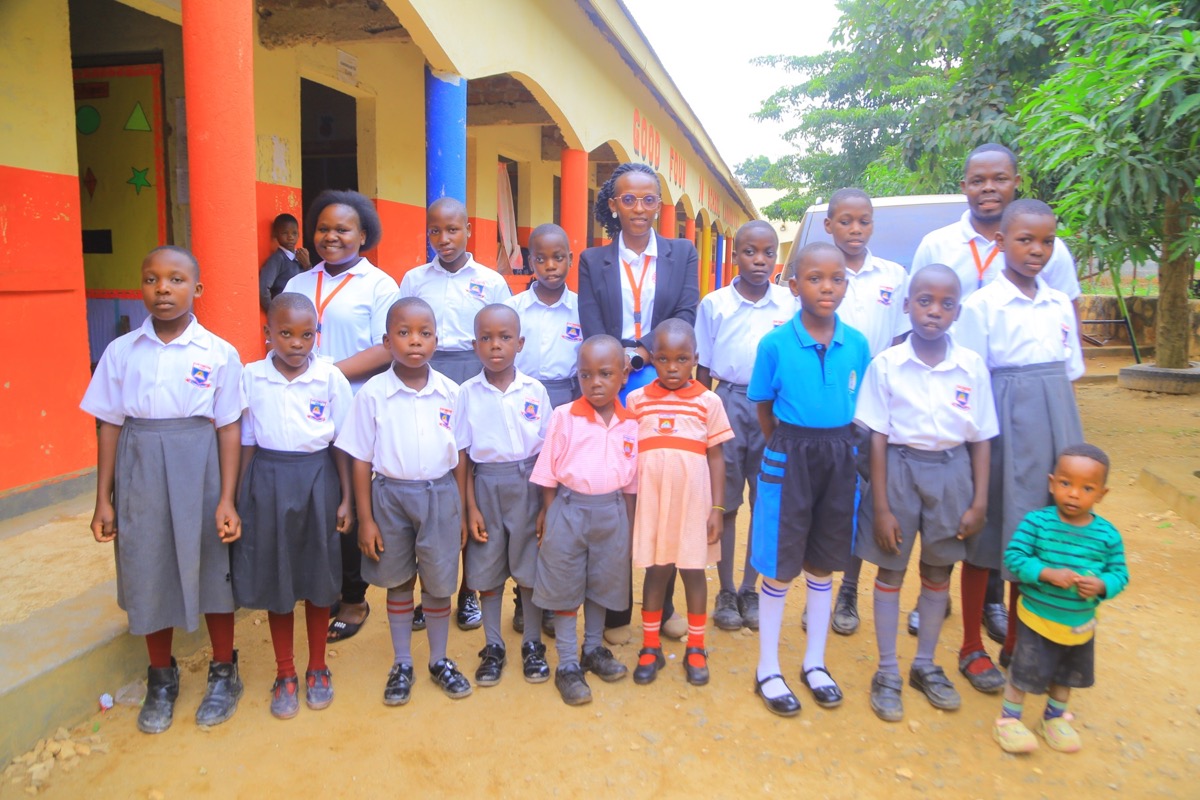
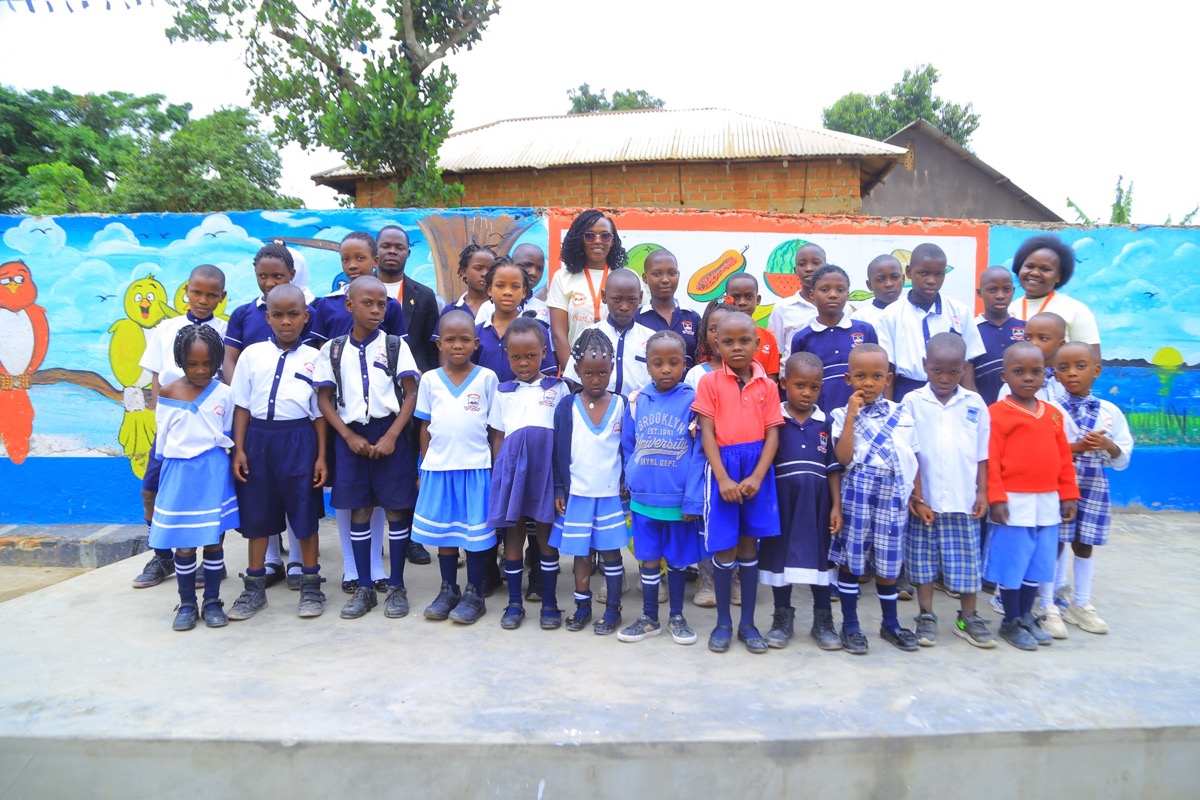
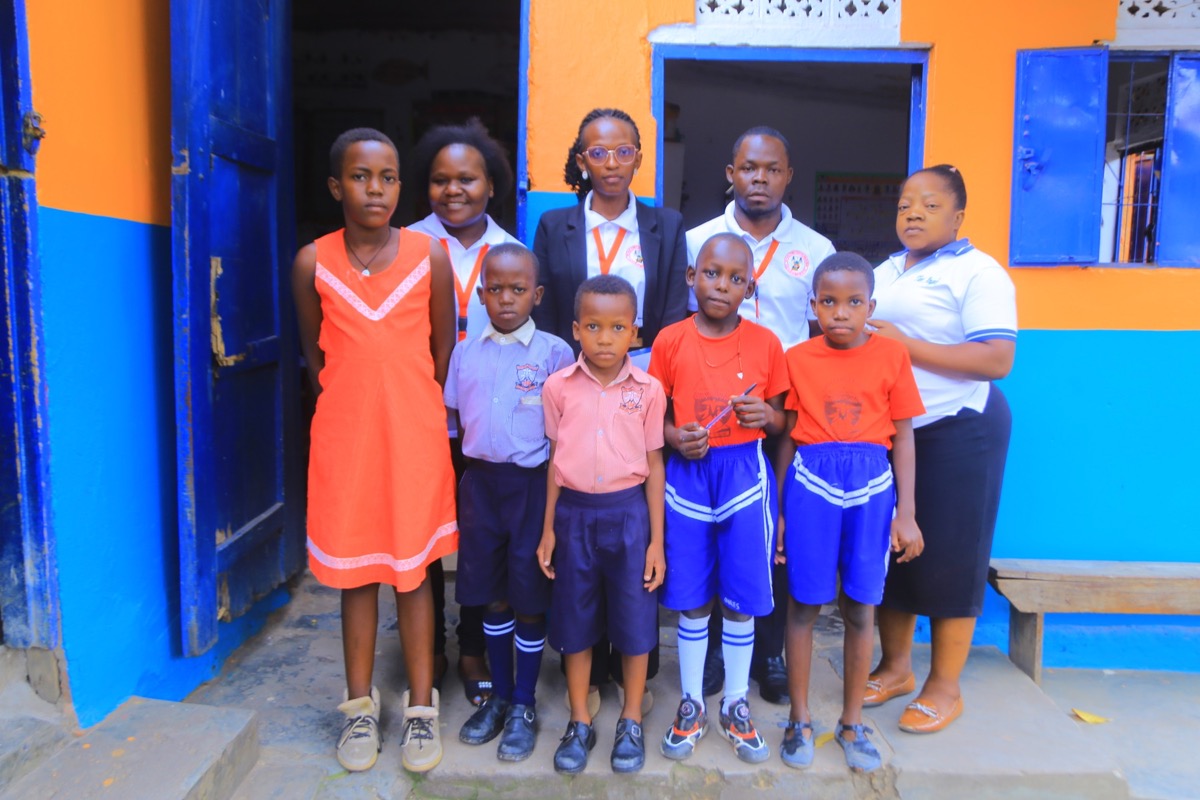
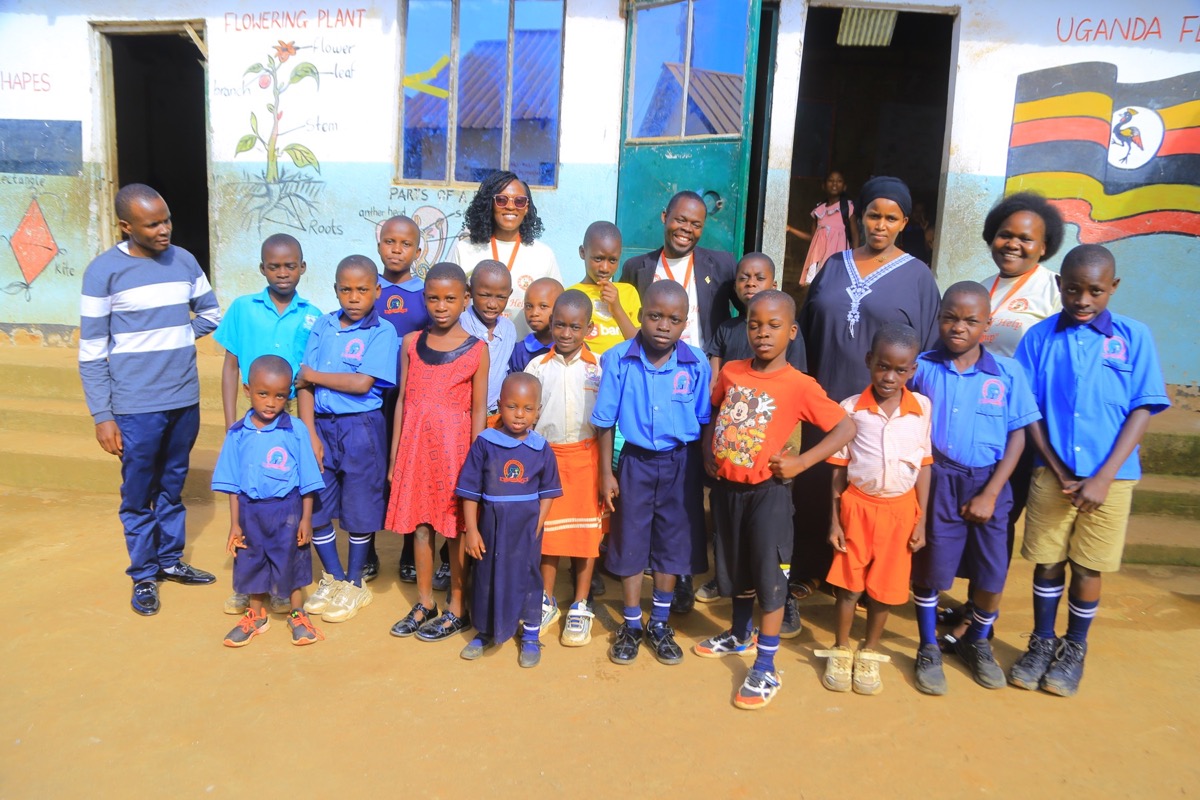
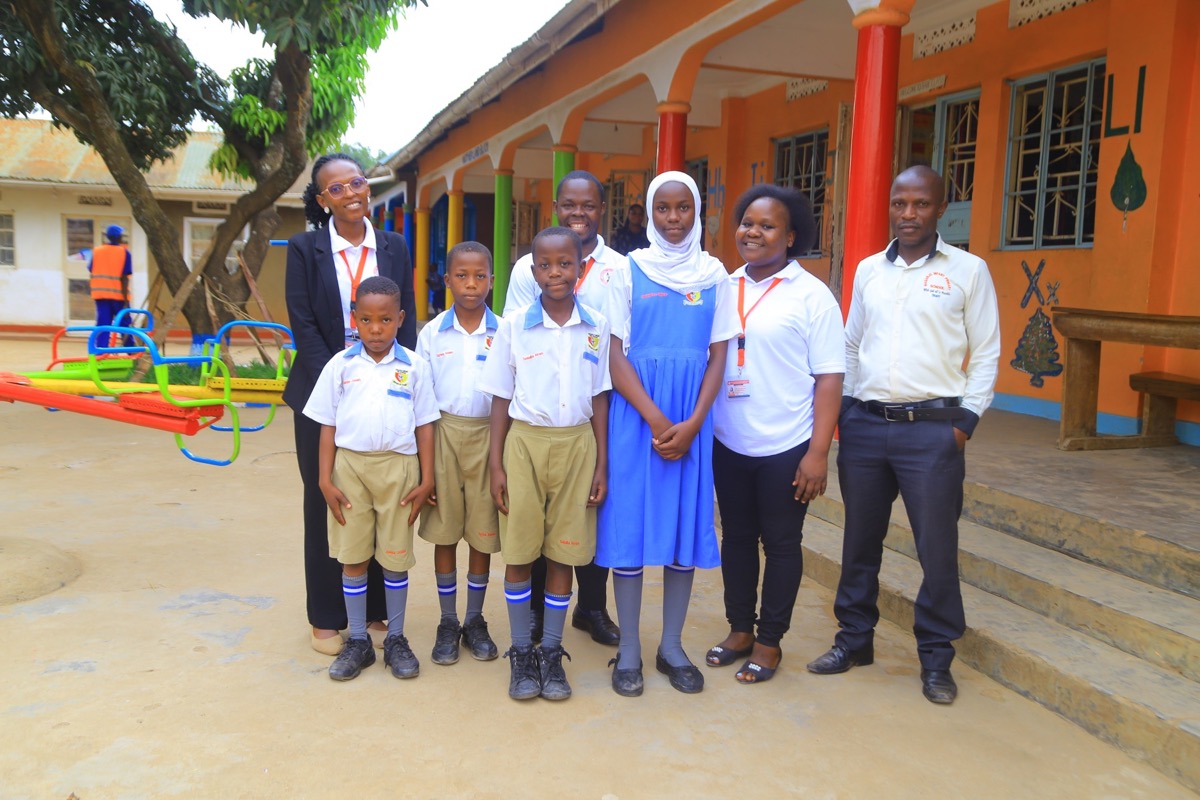
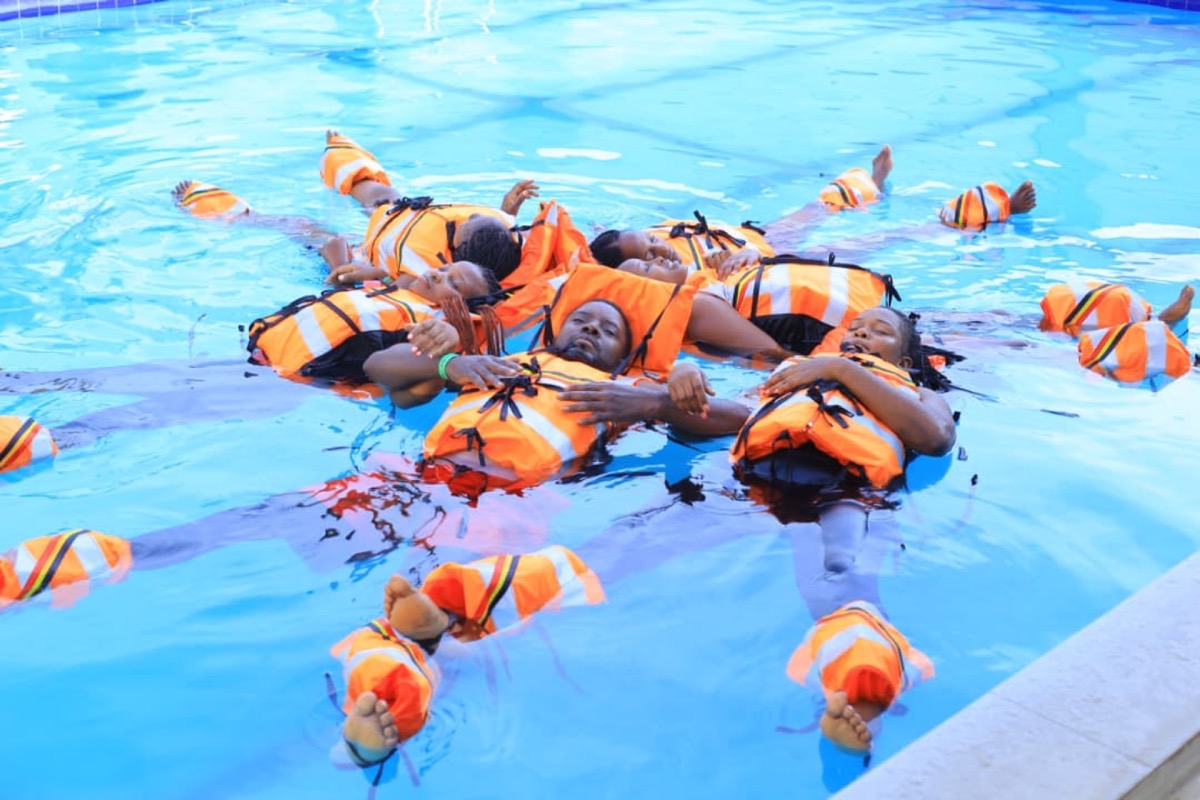
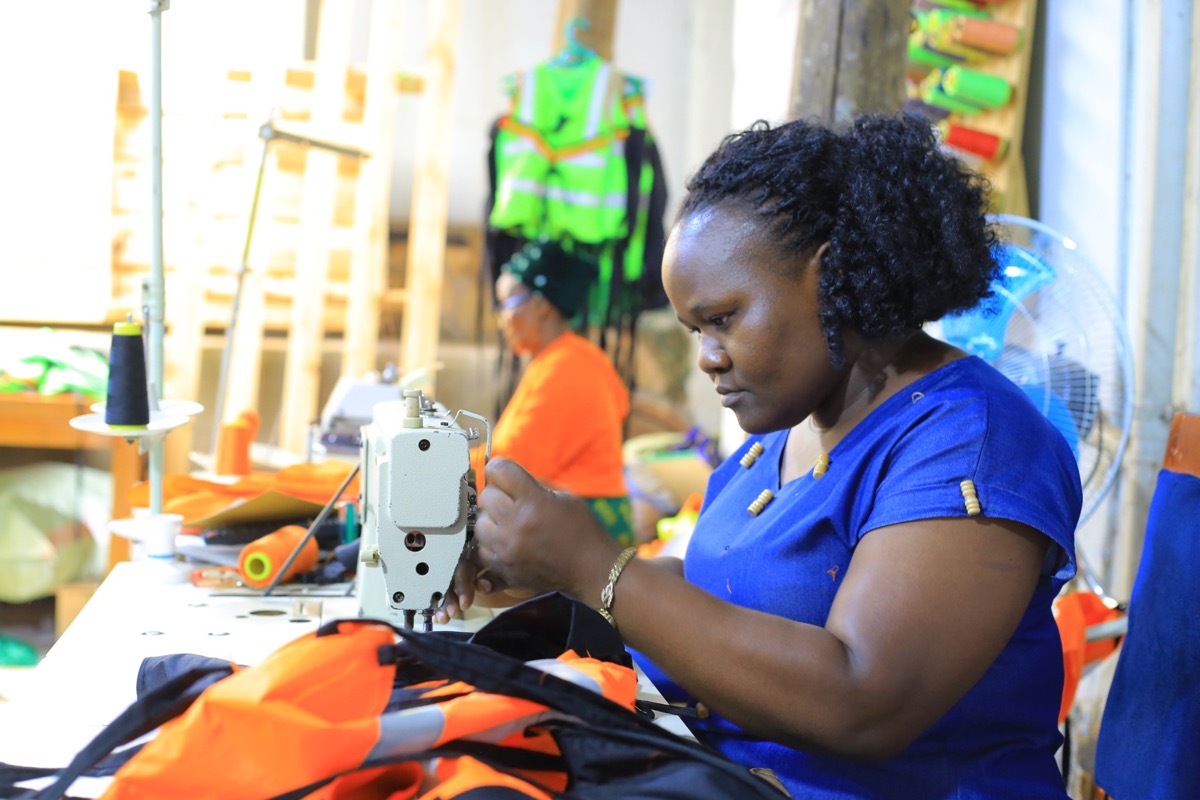
We keep the work visible. These field photos strengthen our public record of education outreach, safety practice, craft, and partnership.
Program Dossiers
Education Sponsorship
Education support for vulnerable children, with tuition, materials, mentorship, holiday skilling, and guardian engagement.
Health
A pooled emergency-health response that protects households from crisis.
Livelihoods
Self-help groups, savings discipline, enterprise coaching, and startup pathways.
Creative Sciences
Practical science, technology, agriculture, computing, finance, environment, and production.
Environment
New nets exchanged for old ones, with old nets repurposed for life-jacket production.
Safety
Affordable locally crafted life jackets, community distribution, and water-safety training.
Scholars Fund
A long-range savings concept to support learners from early education to graduation and enterprise.
Knowledge
Stories, reports, village libraries, public education, and digital resources.
Implementation Discipline
We do not rely on emotion alone. We listen, verify, deliver, and report through a repeatable process that protects both people and resources.
Program ideas begin with community conversations, school needs, self-help group priorities, landing-site safety concerns, and household realities.
Before funding is allocated, Pearl confirms the beneficiary, the problem, the cost, the urgency, and any local contribution or referral.
A learner may need education support, a household may need emergency health support, and a group may need tools, training, or savings discipline.
Donations carry a clear purpose, payment reference, supporter contact, and expected use so we can reconcile and report support properly.
Support becomes fees, materials, mentoring, tools, life jackets, training, medical support, or field visits rather than vague promises.
Pearl closes the loop with receipts, delivery notes, photos with consent, short updates, impact metrics, and lessons learned.
Program Briefs
Education is our first protection layer. A learner who remains in school has a better chance of moving into skills, enterprise, leadership, and self-help savings. Tuition is only part of the cost: learners may also need books, transport, uniform support, food stability, mentorship, and guardian engagement.
A medical shock can reverse years of progress. Families may sell tools, interrupt schooling, borrow at high cost, or delay care. A pooled emergency fund helps Pearl respond quickly while building prevention and referral habits.
Many people do not need charity forever; they need a way to start. Self-help groups create trust, savings discipline, mutual aid, and a base for enterprise. Support strengthens the group system without replacing community ownership.
Our life-jacket work links drowning prevention, environmental cleanup, local production, youth skills, and income generation. It gives Pearl a concrete product story people can see, sponsor, and buy.
Due Diligence
We answer these questions because grantmakers, companies, churches, schools, diaspora supporters, and community members deserve clarity before they commit.
Pearl uses field verification, school records, self-help group leadership, local referrals, household vulnerability, and documented need. These checks form the targeting standard for education, emergency, livelihood, and safety support.
The model combines relief with responsibility. Emergency support protects a family, but self-help groups, savings, skills, craft production, and mentoring build agency and long-term capability.
Every restricted gift carries a purpose code, payment reference, receipt, allocation note, and follow-up update. Our donation process begins this logic with purpose selection and references.
It is credible when Pearl documents materials, production process, quality checks, unit counts, delivery records, user training, repair needs, and beneficiary feedback.
Annual reports, program briefs, audited or reviewed financial summaries, safeguarding policy, product sheets, impact stories, and verified outcome dashboards.
Partnership Design
We speak clearly to individuals, churches, schools, diaspora groups, companies, and grantmakers so each partner can begin in the right place.
Best fit for one-time gifts, learner sponsorship, a sponsored life jacket, medical emergency support, or monthly unrestricted giving.
Needs: simple payment instructions, receipt, and a short impact update.Best fit for CSR campaigns, staff volunteering, bulk life-jacket orders, skills labs, safety campaigns, and matched giving.
Needs: campaign brief, visibility plan, delivery record, and brand-safe reporting.Best fit for student service learning, library support, safety education, environmental collection drives, and peer-to-peer giving.
Needs: activity guide, safeguarding rules, learning outcomes, and supervision plan.Best fit for multi-year education, livelihoods, health, environment, and safety programs with formal monitoring.
Needs: budget, workplan, risk log, evidence framework, and financial reporting.